Best Tools for Home Improvement in 2026
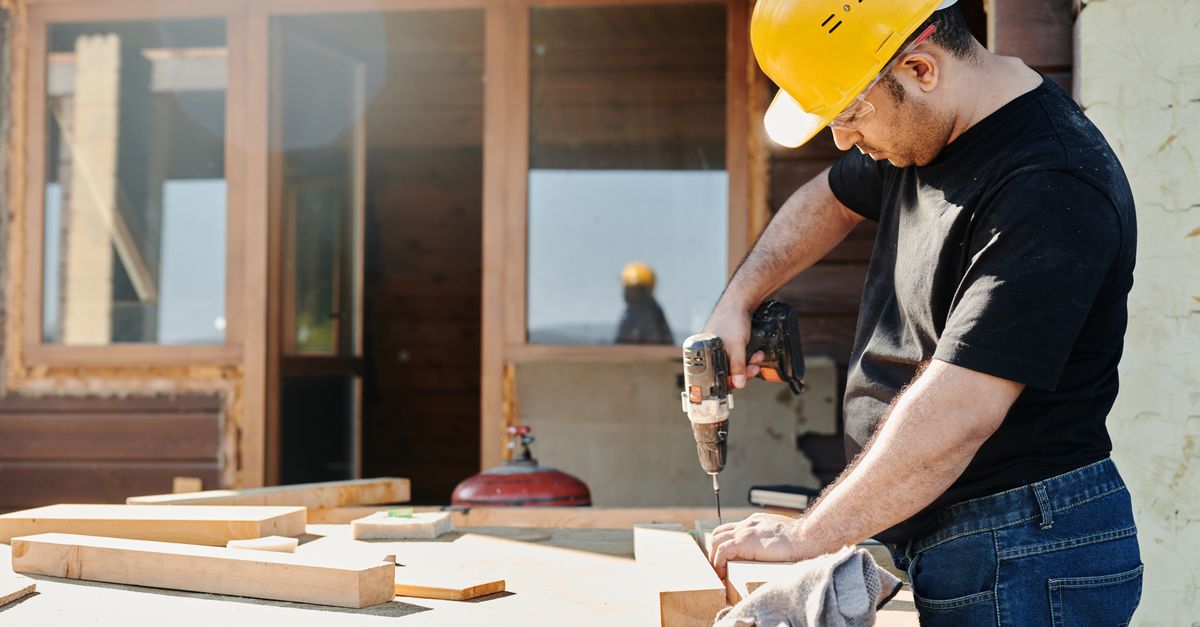
If you're planning to tackle home projects this year, the right gear can save you hours of frustration. The best tools for home improvement 2026 combine smarter technology, better ergonomics, and longer battery life than ever before. Whether you're a weekend DIYer or a seasoned pro, upgrading your kit with a few key pieces will make every job faster, safer, and more precise. In this guide, we break down the top tools across categories—from power tools to smart measuring devices—so you can invest wisely and get professional results.
Power Tools That Lead the Pack
When it comes to the best tools for home improvement 2026, cordless power tools are the undisputed workhorses. This year, brushless motors are standard even in mid-range models, delivering more torque per charge and lasting up to 50% longer than older brushed versions. DeWalt's Atomic Compact Series and Milwaukee's M18 Fuel continue to dominate, but Makita's 40V XGT lineup is gaining ground for heavy-duty framing and demolition.
For most homeowners, a reliable drill-driver and an impact driver are non-negotiable. Look for models with electronic clutch settings and built-in LED work lights. The Bosch FlexiClick system is a standout because it lets you swap between drill, driver, and right-angle attachments without extra tools. If you're cutting trim or plywood, a compact circular saw like the Skil PWRCORE 20 offers surprising power in a lightweight package.
Battery compatibility matters. Sticking with one brand's ecosystem saves money and reduces clutter. Many manufacturers now offer adapters, but native batteries still deliver the best performance. For 2026, expect to see more tools with USB-C charging for smaller devices like laser levels and inspection cameras.
Smart Measuring and Layout Tools
Gone are the days of squinting at a tape measure. The best tools for home improvement 2026 include laser distance measurers that sync with your phone, like the Bosch GLM 50-27 CG. It stores measurements, calculates area and volume, and even overlays them on photos. For framing and remodeling, a self-leveling rotary laser like the DEWALT DW079LG saves hours when setting cabinets or laying tile.
Stud finders have also gotten smarter. The Franklin Sensors ProSensor M210 uses multiple sensors to detect wood and metal studs without false positives, and it's accurate to 1/8 inch. Pair it with a magnetic laser level that attaches to steel studs, and you can hang shelves or TVs with confidence.
Don't overlook digital angle finders. The Klein Tools Digital Angle Gauge is tiny but invaluable for trim work and miter saw setups. It ensures your cuts are dead-on, which is critical for professional-looking joints.
Cutting, Sanding, and Surface Prep
Surface prep is where projects succeed or fail. For sanding, random orbital sanders with variable speed and dust collection are essential. The Festool ETS EC 150 is a premium choice, but the Makita BO5041 offers excellent value with a 3-amp motor and efficient dust bag. If you're refinishing furniture or cabinets, a detail sander like the Dremel Multi-Max gets into corners.
For cutting, oscillating multi-tools have become indispensable. The Fein MultiMaster is the original and still the best for precise plunge cuts in wood, drywall, and even nails. The Rockwell Sonicrafter is a budget-friendly alternative that accepts many accessories.
When it comes to paint removal, a heat gun like the Wagner HT1000 is safer than open flames and faster than chemical strippers. And for drywall repairs, a compact router like the DeWalt DWP611 with a spiral bit makes clean cutouts for electrical boxes.
Smart Home and Safety Essentials
The best tools for home improvement 2026 aren't just about cutting and drilling—they're about working smarter and safer. Smart home devices like the Moisture Meter from Klein Tools can detect hidden water leaks before they cause mold. The FLIR One Edge Pro thermal camera attaches to your phone and reveals insulation gaps, overheating wires, and air leaks.
For safety, invest in a quality respirator like the 3M Half Facepiece 6000 series with P100 filters. It's comfortable for long sanding sessions and protects against dust and vapors. Anti-fog safety glasses from 3M or Milwaukee are also worth it.
Finally, a good headlamp like the Petzl Actik Core keeps your hands free and lights up dark crawlspaces. These small investments prevent accidents and make tedious tasks more bearable.
How to Choose the Right Tools for Your Projects
Before you buy, assess your project list. If you're mostly hanging pictures and assembling furniture, a compact drill-driver and a good tape measure will suffice. For deck building or framing, you'll need a circular saw, impact driver, and a framing nailer. The best tools for home improvement 2026 are the ones that match your actual needs—not the ones with the most features.
Consider battery platform lock-in. If you already own tools from one brand, stick with it unless you have a compelling reason to switch. Also, check for warranties and service centers. Brands like DeWalt, Milwaukee, and Makita offer 3- to 5-year warranties on many tools.
Don't forget ergonomics. If you have smaller hands, look for compact grips. If you're tall, extended handles on sanders and saws reduce fatigue. Read reviews from real users, not just spec sheets. A tool that feels good in your hand will get used more often.
Frequently asked questions
What are the best tools for home improvement in 2026 for beginners?
Start with a cordless drill-driver, a tape measure, a stud finder, and a random orbital sander. Brands like DeWalt, Makita, and Bosch offer reliable entry-level options. As you take on more projects, add an impact driver and a circular saw.
Do I need smart tools like laser levels and thermal cameras?
Not for every job, but they can save time and improve accuracy. A laser distance measurer is great for estimating materials, while a thermal camera helps find air leaks and insulation issues. If you're doing major renovations, they're worth the investment.
Which battery platform is best for home improvement tools in 2026?
DeWalt's 20V MAX, Milwaukee's M18, and Makita's 18V LXT are the most popular. Choose based on the tools you need and local availability. All three offer excellent performance and long-term support.
How often should I replace my home improvement tools?
Quality power tools can last 5–10 years with proper maintenance. Replace batteries every 3–5 years or when they no longer hold a charge. If a tool becomes unsafe or repairs cost more than a new one, it's time to upgrade.
Are expensive tools always better for DIY projects?
Not always. Mid-range tools from reputable brands often provide the best value for DIYers. Premium tools offer more power, durability, and precision, but if you only use them occasionally, you may not need the top tier.