DIY vs Professional Home Improvement in 2026
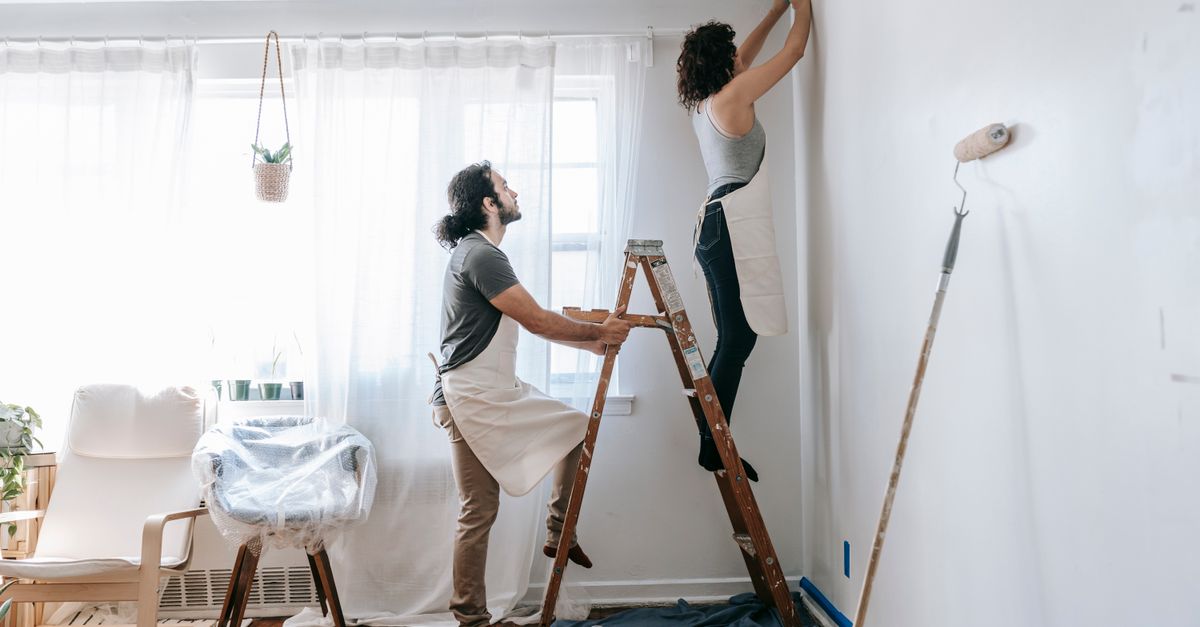
So you're staring at that outdated kitchen or a leaky faucet, wondering whether to grab your tools or your phone to call a pro. The answer for 2026 isn't a simple 'always DIY' or 'always hire out.' It depends on the project, your skill level, your budget, and how much time you've got. In this guide, we'll break down the real differences between DIY and professional home improvement in 2026, so you can make a smart call for your next project.
The Real Cost of DIY vs Professional in 2026
Money is usually the first thing people think about. On paper, DIY looks cheaper because you're not paying for labor. But in 2026, material costs have stabilized compared to the wild swings of the early 2020s, and labor rates have continued to climb. According to recent industry data, hiring a professional for a mid-range bathroom remodel costs around $25,000, while DIY might run $10,000 to $15,000 in materials. That's a big gap.
But don't forget the hidden costs of DIY: tools you don't own, mistakes that need fixing, and your own time. If you're taking unpaid leave or sacrificing weekends, that time has value. On the flip side, pros often get contractor discounts on materials, which can narrow the gap. For simple jobs like painting a room or replacing a faucet, DIY almost always wins on cost. For complex jobs like electrical work or structural changes, the risk of costly errors makes professional help worth it.
Skill and Safety: When DIY Becomes Risky
Some projects are beginner-friendly: painting, caulking, installing a smart thermostat, or building a simple shelf. Others require licensed expertise: electrical panel upgrades, gas line work, roofing, and anything involving load-bearing walls. In 2026, building codes have become stricter in many areas, especially around energy efficiency and safety. A pro will know the latest requirements and pull the necessary permits.
Safety is another factor. According to the Home Improvement Research Institute, DIY injuries spike during peak renovation season. If you're not comfortable on a ladder or working with power tools, don't force it. Hiring a pro isn't a sign of failure; it's a smart risk management decision. Plus, many pros offer warranties on their work, so if something goes wrong, you're covered.
Time Investment: The Hidden Factor
DIY projects almost always take longer than you expect. A weekend painting job can stretch into a week if you're learning as you go. A professional crew, on the other hand, can knock out a bathroom remodel in two to three weeks while you continue with your life. If you're working a full-time job, your DIY hours are limited to evenings and weekends, which can drag a project out for months.
In 2026, time is more valuable than ever. Remote work is still common, and many people are using their homes as offices. Living in a construction zone while trying to take video calls is no fun. If you need the space functional quickly, hiring a pro is often the better choice. But if you enjoy the process and have a flexible schedule, DIY can be a rewarding hobby that saves money.
Quality and Long-Term Value
A professional's work is usually higher quality because they do it every day. They have the right tools, the experience to avoid common mistakes, and an eye for detail. That said, a meticulous DIYer can achieve professional-level results on simpler projects with careful research and patience. The key is knowing your limits.
For resale value, some upgrades are better left to pros. For example, a poorly installed tile job or a botched electrical fix can turn off buyers or fail a home inspection. In 2026, home inspectors are using more advanced technology, like thermal imaging, to catch hidden problems. If you DIY, document everything and keep receipts for permits and materials. That paperwork can be a selling point.
Hybrid Approach: The Best of Both Worlds
You don't have to choose one or the other. Many homeowners in 2026 are mixing DIY and professional help. For example, you might demo a kitchen yourself to save on labor, then hire a pro for plumbing and electrical. Or you could paint the walls but hire out the flooring installation. This hybrid approach can cut costs while ensuring the tricky parts are done right.
Just be careful about sequencing. If you demo before the pro arrives, make sure you're not damaging anything important. And always consult with your pro before starting, so you don't create extra work for them. A good contractor will appreciate your effort and may even give you tips to make your DIY portion smoother.
How to Decide: A Simple Framework
Still on the fence? Ask yourself these questions:
- Is it safe? If the project involves gas, major electrical, or structural work, hire a pro.
- Do I have the skills? Be honest. If you've never used a tile saw, a bathroom remodel might not be the best first project.
- What's my timeline? If you need it done fast, go pro.
- What's my budget? Get quotes from pros and compare to your DIY material list. Don't forget to value your time.
- Will I enjoy it? If you love learning and working with your hands, DIY can be fun. If it feels like a chore, hire out.
In 2026, there's no shortage of online tutorials and smart tools that make DIY more accessible. But there's also a growing network of vetted professionals on platforms like Angi and Thumbtack. Use both to your advantage.
Frequently asked questions
Is DIY always cheaper than hiring a professional?
Not always. While you save on labor, you may need to buy tools, materials at retail prices, and spend your own time. Mistakes can also cost more to fix. For simple projects, DIY is usually cheaper, but for complex ones, a pro can be more cost-effective in the long run.
What home improvement projects should I never DIY?
Avoid DIY for anything involving gas lines, major electrical work (like panel upgrades), roofing, structural changes, and asbestos or lead paint removal. These require licensed professionals for safety and code compliance.
How can I find a reliable professional in 2026?
Use trusted platforms like Angi, HomeAdvisor, or Thumbtack to read reviews and compare quotes. Ask for references, verify licenses and insurance, and get everything in writing. Local Facebook groups and Nextdoor can also be good sources for recommendations.
Will DIY projects affect my home insurance?
Possibly. If you do work that doesn't meet code and causes damage, your insurance might not cover it. Some insurers may also require professional installation for certain upgrades, like a new roof. Always check with your provider before starting a major project.
What tools should a beginner DIYer have in 2026?
Start with a basic set: hammer, screwdrivers, adjustable wrench, tape measure, level, utility knife, and a drill. As you take on more projects, add a circular saw, sander, and safety gear. Consider renting specialized tools for one-off jobs.