Home Improvement Events with Contractor Bidding
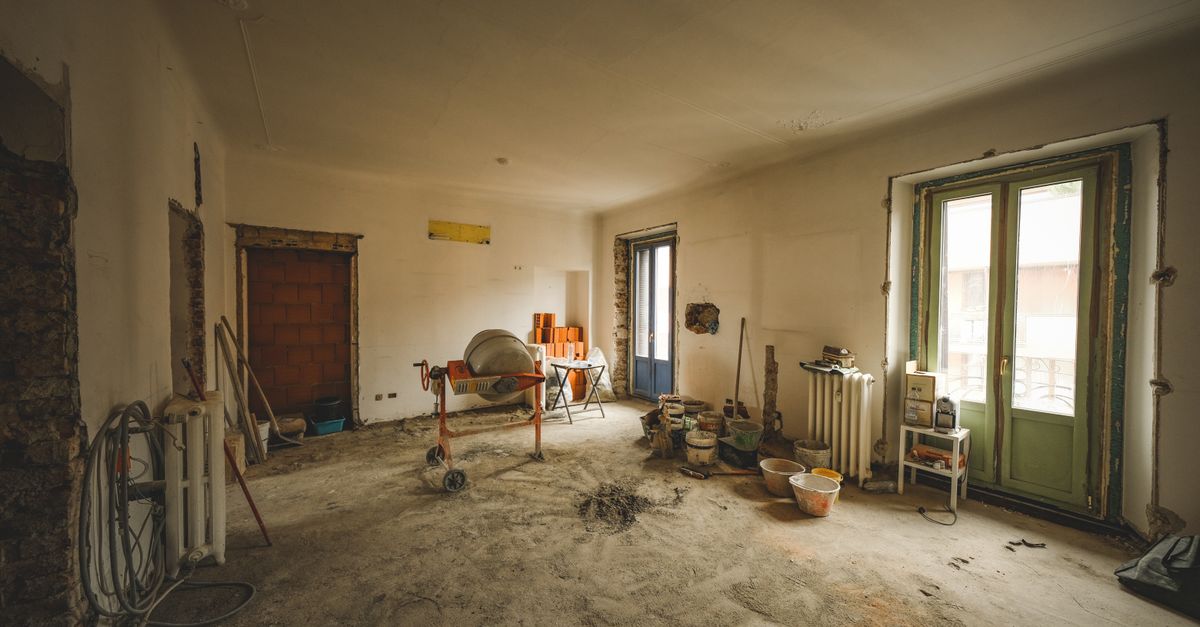
If you're planning a remodel, addition, or full-home renovation in 2026 and want real-time contractor bids — not just brochures or business cards — you’re looking for home improvement events with contractor bidding opportunities 2026. These aren’t passive vendor booths; they’re live, structured environments where licensed pros submit competitive quotes on the spot, often with site assessments, material samples, and timeline previews. Think of them as matchmakers between serious homeowners and vetted contractors — minus the endless Google scrolling or cold calls.
Why Bid-Based Home Improvement Events Are Worth Your Time
Let’s be honest: most home shows feel like walking through a mall — pretty displays, free tote bags, and polite smiles. But events built around contractor bidding flip the script. You walk in with your scope (e.g., kitchen remodel, basement finish, ADU build), meet 3–5 pre-screened contractors face-to-face, and get itemized bids before you leave. No follow-up limbo. No ‘we’ll send something next week.’ Many of these 2026 events partner with local licensing boards or trade associations to verify credentials — so you’re not just comparing prices, but legitimacy. And because bidding is time-bound and transparent, it pushes contractors to clarify assumptions, scope limits, and change-order policies upfront. That kind of clarity saves months — and thousands — down the line.
Top 2026 Home Improvement Events with Contractor Bidding Opportunities
Not all expos offer real bidding. Here are the ones that do — and why they stand out:
-
National Home Remodeling Expo (Chicago, April 2026): Hosted by NAHB, this event features a dedicated ‘Bid Zone’ where attendees book 20-minute slots with contractors who’ve already reviewed floor plans uploaded ahead of time.
-
West Coast Build & Design Summit (San Francisco, June 2026): Includes live ‘Project Pitch Sessions’ — homeowners present their vision, then 3 contractors respond with rough scopes and ballpark figures within 48 hours.
-
Southeast Renovation Rally (Atlanta, September 2026): Unique for its ‘Bid Match’ program: you submit project details online two weeks prior, and get matched with 4 contractors who show up ready to bid — complete with subcontractor referrals and insurance docs on hand.
-
Midwest Home Upgrade Fair (Columbus, October 2026): Offers on-site mobile estimating tools — contractors use tablets to generate preliminary bids using your square footage, material preferences, and timeline. All bids include labor breakdowns, not just totals.
These home improvement events with contractor bidding opportunities 2026 are designed for action — not ambiance.
How to Prepare So You Actually Get Usable Bids
Walking in unprepared turns even the best home improvement events with contractor bidding opportunities 2026 into a waste of time. Start here:
✅ Know your non-negotiables: Is it fixed budget? Hard deadline? Must-have materials (e.g., quartz, hardwood)? Write them down — and share them before the event if possible.
✅ Bring visuals: Even rough sketches or Pinterest boards help contractors grasp your aesthetic and functional goals faster than paragraphs of text.
✅ Ask about process, not just price: Who handles permits? How do they manage subs? What’s their typical response time for punch-list items? A low bid means little if communication vanishes after signing.
✅ Skip the ‘lowest bid’ trap: At these events, the winning bid isn’t always the cheapest — it’s the one with clearest scope, realistic timeline, and documented references. Many organizers now provide scorecards to help you compare apples to apples.
One last tip: arrive early. The first 90 minutes usually have the least crowded bidding stations and freshest energy from contractors.
What Happens After the Event — and When to Walk Away
Getting three solid bids at an event is just step one. What matters more is what comes next. Most reputable contractors will send a formal proposal within 3–5 business days — including signed scope of work, payment schedule, and lien waiver language. If yours doesn’t, or if the post-event quote looks nothing like the on-site number (e.g., +35% due to ‘unforeseen conditions’), that’s a red flag — not a surprise. Also watch for vague terms: ‘standard finishes,’ ‘typical timeline,’ or ‘market rate labor’ mean nothing without definitions. You should be able to point to every line item and know exactly what it covers.
And don’t feel pressured to sign on the spot. Legitimate contractors understand you need time — especially if you’re comparing bids across multiple home improvement events with contractor bidding opportunities 2026. In fact, some events now offer a ‘Bid Review Window’: you get 10 days to ask questions, request clarifications, or even invite a fourth contractor to review the top three proposals — all facilitated by the event team.
Frequently asked questions
Do I need to pay to attend these bidding events?
Most are free for homeowners — contractors pay to participate. Some premium tiers (like priority bidding slots or 1:1 pre-event consultations) cost $25–$75, but the core bidding experience is open at no charge.
Are all contractors at these events licensed and insured?
Reputable 2026 events require proof of license, general liability insurance, and minimum 3 years in business. Check the event’s contractor verification page — and don’t skip calling their references yourself.
Can I bring my own architect or designer to the event?
Yes — and many organizers encourage it. Just register them as a guest. Their input helps align contractor bids with your design intent and structural realities.
What if none of the bids fit my budget?
That’s common — and useful intel. Use the feedback to adjust scope (e.g., phase the project, swap finishes) before your next event. Several 2026 fairs now offer ‘Budget Coaching Stations’ staffed by independent construction financial advisors.