Home Improvement Events with Energy Audit Services
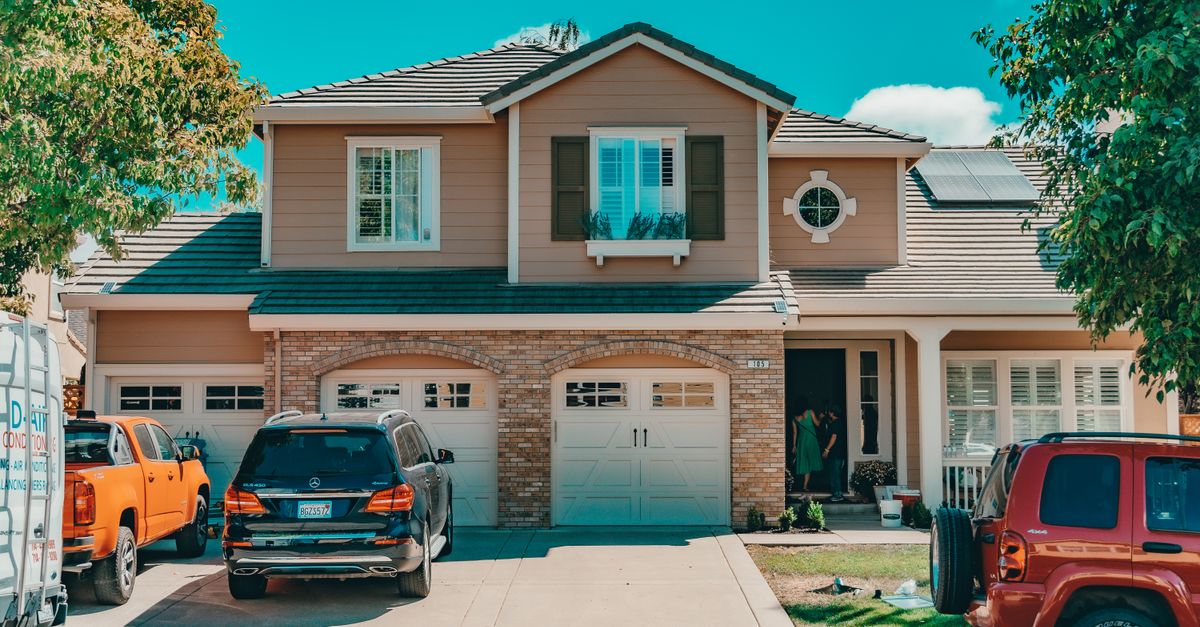
If you're looking for home improvement events offering home energy audit services in 2026, you’re not just browsing — you’re stepping into smarter, more efficient living. These aren’t generic DIY fairs. They’re curated gatherings where licensed auditors, utility partners, and efficiency nonprofits meet homeowners face-to-face — often with no-cost or low-cost audits, instant rebate sign-ups, and real-time upgrades like smart thermostats or LED retrofits. Whether you're in Portland or Pittsburgh, the 2026 calendar is already filling with events that treat energy efficiency like the essential home upgrade it is.
Why 2026 Is the Right Year to Attend
2026 isn’t arbitrary — it’s when federal and state incentives align in unusually practical ways. The Inflation Reduction Act’s home energy tax credits are fully ramped up, many utilities have renewed their 2026 budget for community outreach, and new building codes in over 18 states now require energy documentation for major renovations — making pre-audit insights more valuable than ever. Home improvement events offering home energy audit services in 2026 also reflect a shift: less PowerPoint, more hands-on. You’ll see infrared cameras scanning walls live, blower door demos in pop-up tents, and auditors reviewing your past 12 months of electric bills right there at the booth. It’s technical — but never intimidating.
Where to Find Trusted Events (and How to Spot the Real Ones)
Not every 'green home fair' delivers a meaningful audit. Look for events co-hosted by your local utility, a state energy office, or a B Corp–certified contractor. The best home improvement events offering home energy audit services in 2026 list their auditor credentials upfront — like RESNET or BPI certification — and specify whether the audit includes combustion safety testing or duct leakage analysis. Cities like Austin, Minneapolis, and Cleveland are launching multi-week 'Efficiency Roadshow' series this spring, rotating through neighborhoods with mobile audit labs. Pro tip: Check if the event offers same-day report delivery — many now email PDF summaries within 90 minutes of your walkthrough.
What Happens During the Audit — and What Comes After
A quality on-site audit at one of these events usually takes 60–90 minutes. An auditor walks through your home with a thermal camera, checks insulation levels in accessible areas, runs a blower door test to measure air leakage, and reviews heating/cooling equipment age and efficiency. You get immediate observations — like "your attic hatch has zero weatherstripping" or "your water heater is losing heat through uninsulated pipes." But the real value kicks in post-event: most partner programs let you schedule follow-up consultations, apply for instant rebates on insulation or heat pumps, or even bundle your audit results with financing options. Some events even offer free smart power strips or leak-detection dye tablets just for attending — small perks with real impact.
How to Prepare (So You Get More Than Just a Report)
Show up ready — not stressed. Bring your last 12 months of utility bills (a photo on your phone works fine), note any drafty rooms or inconsistent temperatures, and jot down questions like "Is my 20-year-old furnace still worth repairing?" or "Can I add solar later without re-roofing?" Auditors appreciate specificity. Also, wear comfortable shoes — some events include short guided tours of nearby net-zero model homes or retrofit demonstrations. And don’t skip the vendor area: companies offering home energy audit services in 2026 often run limited-time bundles — like a $75 audit + $200 insulation credit — but only for attendees who book onsite. That kind of deal rarely appears online.
Frequently asked questions
Are the energy audits at these events really free?
Many are — especially when hosted by utilities or state agencies. Others charge $25–$75, but that fee is often waived if you move forward with recommended upgrades. Always ask upfront what’s included and whether the audit meets IRS requirements for tax credit documentation.
Do I need to own my home to attend?
No. Renters are welcome — and increasingly encouraged. Many events now feature landlord-tenant workshops, and some auditors will assess rental units with landlord permission (often via a quick email). You’ll still learn about ventilation fixes, window film options, and low-cost efficiency habits.
Can I schedule an audit outside the event dates?
Yes — and many event partners offer priority booking windows for attendees. You might get a slot in 2 weeks instead of 8. Just ask at the auditor’s booth or scan their QR code for the ‘2026 Event Attendee’ scheduling path.
Will the audit help me qualify for rebates or tax credits?
Absolutely. Reputable home improvement events offering home energy audit services in 2026 connect directly with incentive databases. Your audit report will include line-item cost estimates, applicable IRS Form 5695 guidance, and links to local utility portals — all formatted to support your application.